Not long ago, electric cars were a rare sight on our roads, often viewed as a futuristic novelty reserved for those with a deep interest in technology or a strong commitment to environmental causes. We have watched this idea transform into a mainstream reality in a remarkably short amount of time. Today, it is difficult to drive through any major city without seeing a variety of electric models from both established manufacturers and new brands. This shift did not happen by accident. We have seen how a combination of rising fuel costs, a growing global focus on reducing carbon footprints, and significant government support through subsidies and infrastructure projects has pushed electric vehicles (EVs) into the spotlight.
However, as the initial excitement begins to settle, many people are pausing to look at the numbers. They are asking whether an electric car is still a wise long-term investment in today’s economic climate. While the environmental benefits are clear, the financial and practical realities can be more complex. We believe it is important to look at the full picture, exploring the clear advantages as well as the genuine hurdles that owners face. By looking at how these cars fit into daily life and how they compare to traditional options, we can reach a clearer conclusion on whether the electric dream still holds its value.
The Financial Appeal and the Reality of Ownership Costs
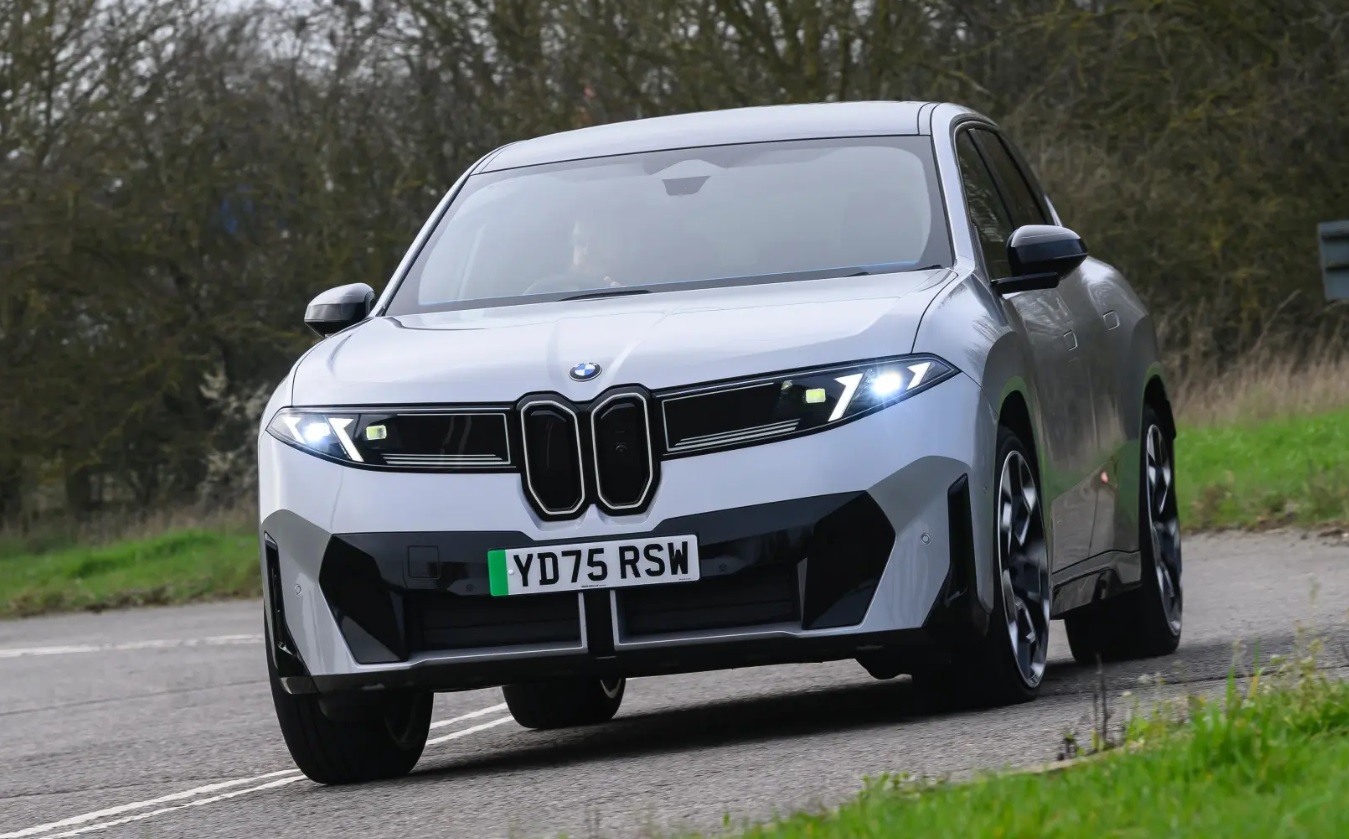
Photo: BMW iX3 (2026) – Car Magazine
When we first began seeing electric cars gain popularity, the primary selling point was often the potential for massive savings. On the surface, the appeal is incredibly strong. We have observed that for many drivers, the most immediate benefit is the reduction in daily running costs. Electricity is generally much cheaper than gasoline or diesel, and because electric motors are more efficient than internal combustion engines, they can travel further for every dollar spent on energy. Furthermore, we often remind people that electric cars have far fewer moving parts. They do not require oil changes, spark plug replacements, or complex exhaust systems, which typically leads to lower maintenance bills over the years.
These factors initially made electric cars feel like an easy win for any budget-conscious driver. In many regions, government incentives and tax breaks have further sweetened the deal, making the transition feel like a supported public movement. We have seen how these incentives have successfully encouraged millions of people to make the switch. However, the investment involves more than just the cost of “fueling” and occasional check-ups. We must also talk about the financial reality that often makes people hesitate: the upfront purchase price.
Despite many advancements in manufacturing, electric cars usually carry a higher sticker price than their gasoline counterparts. While the gap is closing, they still represent a significant initial layout of capital. We also hear frequent concerns about the long-term health of the battery. The battery is the heart of the vehicle and its most expensive component. While most modern batteries are designed to last for a decade or more, the potential cost of a replacement down the line is a shadow that hangs over the investment for some. We find that the true value of the investment often depends heavily on how the car is used. For someone who drives long distances daily and can charge cheaply at home, the savings can be substantial. For someone who drives very little or relies on expensive public charging networks, the financial math might look quite different.
Practicality Misconceptions and the Modern Driving Experience
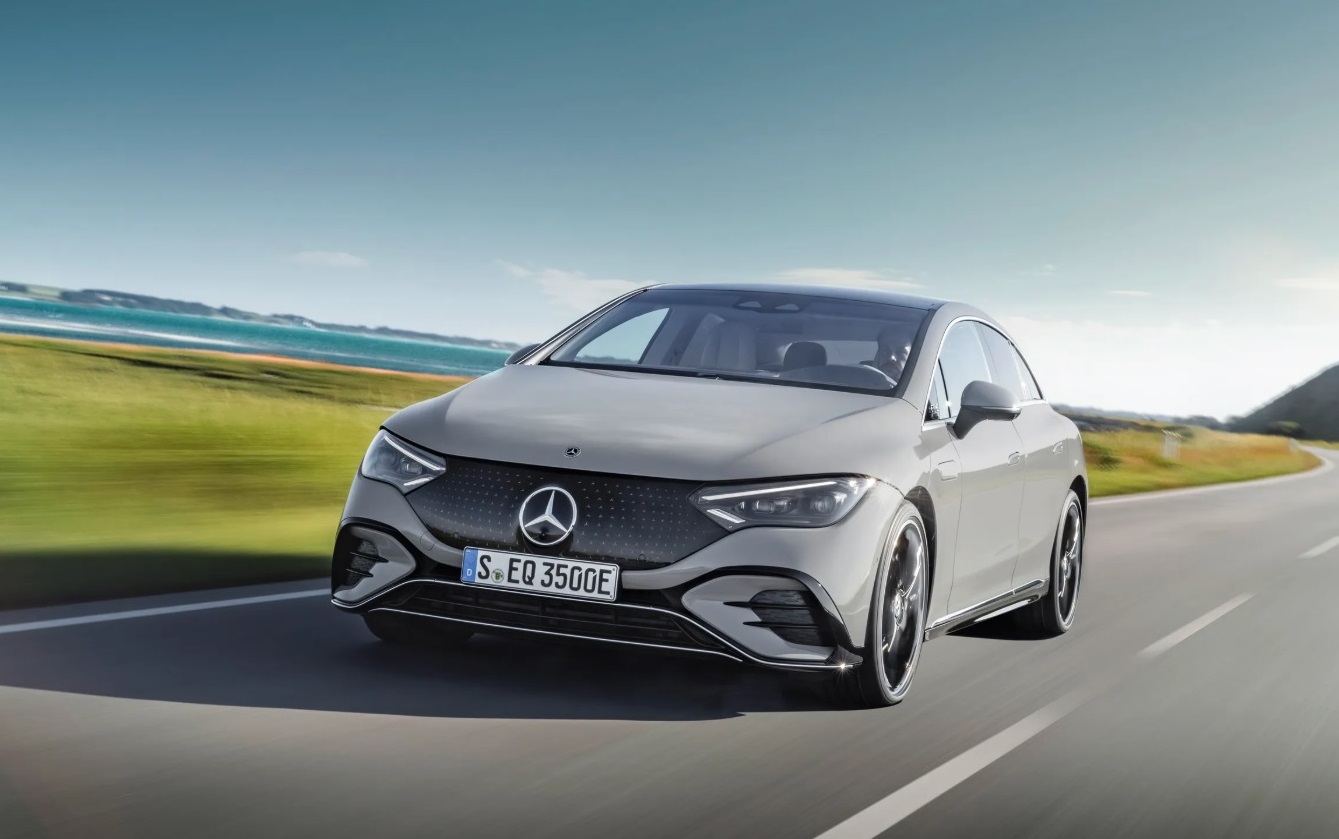
Photo: Mercedes Benz EQE – The Verge
Beyond the finances, we have to consider how these vehicles actually fit into the rhythm of daily life. The ownership experience has changed significantly as technology has improved. In the early days, “range anxiety” was a constant topic of conversation. Today, we see that most new electric cars offer enough range to cover the average person’s daily commute several times over.
Long-distance travel has also become more feasible, though it still requires a level of planning that traditional car owners aren’t used to. We have noticed that while home charging offers an incredible level of convenience effectively allowing you to wake up to a “full tank” every morning the public charging infrastructure is still a work in progress in many areas.
They offer a driving experience that is often described as superior in terms of comfort and performance. We have seen how drivers appreciate the quiet cabin and the instant power delivery that makes merging into traffic much easier. Yet, even with these perks, doubts often persist. We frequently encounter misconceptions regarding battery life and safety. Some believe that these batteries will fail after just a few years, but data from the thousands of electric cars already on the road suggests they are far more durable than people expect.
Similarly, we have seen that electric cars must meet the same rigorous safety standards as any other vehicle, and in many cases, their low center of gravity makes them less likely to roll over in an accident.
There is also the question of environmental impact during production. It is true that mining the materials for batteries has a high environmental cost. However, we have observed that as the industry matures, recycling programs are improving, and manufacturers are finding ways to produce batteries with less impact. When we compare electric vehicles to traditional gasoline or hybrid cars today, the decision is no longer a simple one-size-fits-all answer.
Hybrids offer a middle ground that appeals to those not yet ready to go fully electric, while traditional cars remain the default for those with limited charging access. We see that technology is closing the gap in both cost and convenience every year, but the “worth” of the investment still rests on the individual’s specific needs and location.
Our Final Verdict on the Electric Investment
When we look back at our main question of whether electric cars are still a good investment, the answer is a clear but careful yes. We have seen that for many people, especially those who can charge at home and plan to keep their cars for a long time, the savings on fuel and repairs eventually cover the higher starting price. These vehicles are moving past being just a green choice they are now becoming a useful financial tool for many families.
Although we must also recognize that they are not the right fit for everyone quite yet. If you live in an apartment without a plug or if your work takes you on long, unpredictable trips through remote areas, the current infrastructure might not meet your needs. The investment really depends as much on how you live as it does on the car you choose. We believe the value of going electric will only grow as the years go by. As more charging stations appear and battery technology improves, owning one will become even easier and more rewarding. We are heading toward a future where buying an electric car won’t be seen as a special “smart investment” but simply the standard choice for most drivers.
Discover more articles about luxury cars from the magazine.
–
Featured Image by The Electric Car Scheme