In the heart of northern Laos, where the Mekong River meets the Nam Khan, sits a town that seems to have negotiated a separate peace with time. Luang Prabang is not a place where the past is kept behind glass cases instead, it is a landscape where history quietly shapes the rhythm of every morning and evening. We find that to walk through its narrow lanes is to move through different layers of Southeast Asian heritage, from the grandeur of ancient kingdoms to the practical beauty of colonial architecture and the steady pulse of living traditions.
As we observe the town today, it remains one of the most preserved cultural sites in the region. Its recognition as a UNESCO World Heritage site in 1995 was not merely for its buildings, but for the way it has maintained a delicate balance between its natural environment and its human history. For centuries, Luang Prabang served as a royal and spiritual center, a role that fixed its identity as the soul of the Lao people. Today, that identity persists offering a window into a world where the modern age has not yet managed to overwrite the legacy of the ancestors.
The Royal Legacy and the Foundations of Faith
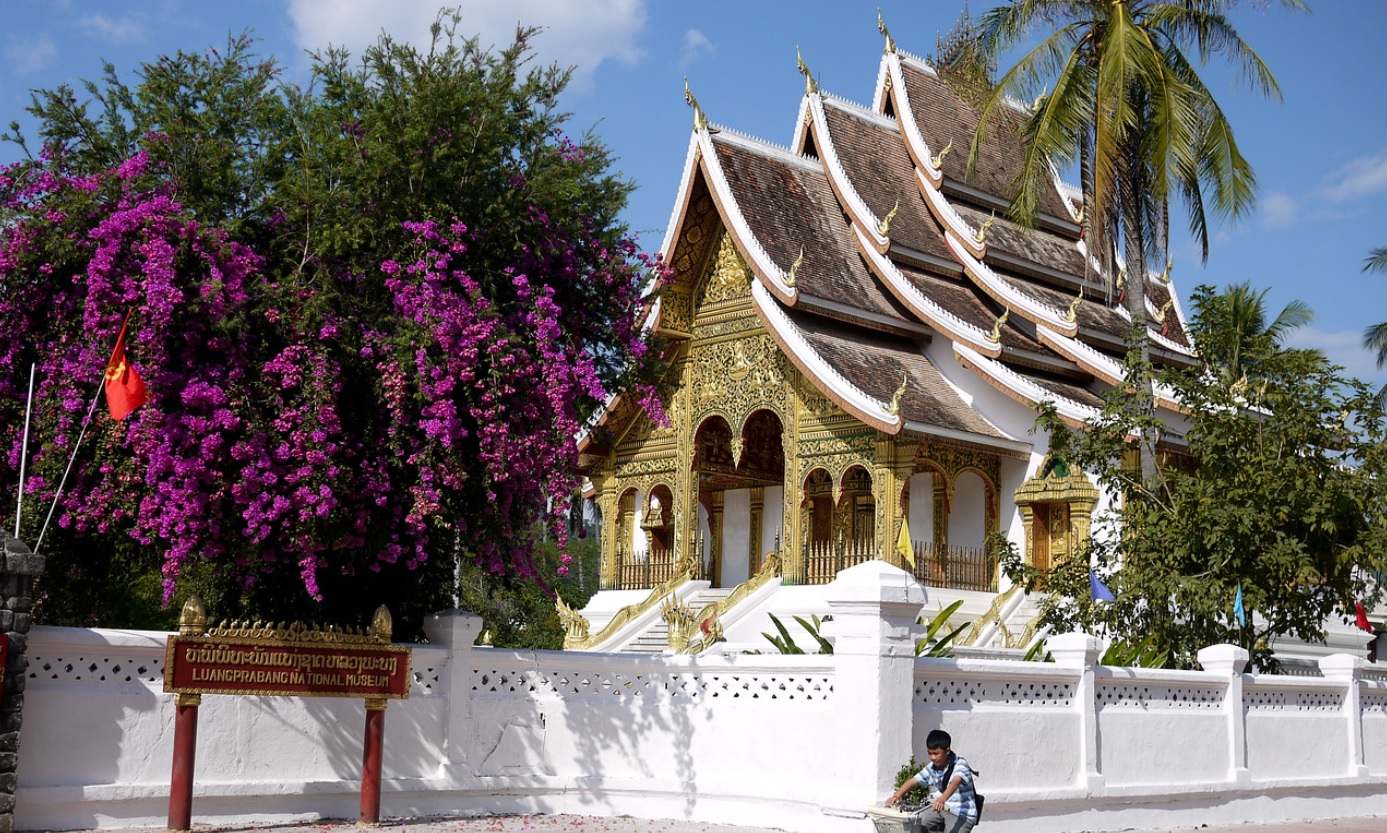
Photo: Royal Palace Museum – Elite Tour
To understand the character of Luang Prabang, we must look back to its origins as the capital of the Lan Xang Kingdom, famously known as the “The Million Elephants and the White Parasol.” Established in the 14th century by King Fa Ngum, the city became the political and religious heartbeat of a vast territory. They the early rulers and the people of Lan Xang built a society where the king was the protector of the faith, and the city was designed to reflect this sacred bond. We see this legacy most clearly in the layout of the old town, which was strategically positioned on a peninsula to facilitate trade and defense while maintaining a sense of spiritual seclusion.
The Royal Palace, or Haw Kham, stands as a central monument to this era. Built in 1904 during the French colonial period for King Sisavang Vong, it replaced an older wooden palace. When we explore the grounds today, we see a building that blends traditional Lao motifs with European styles, reflecting the complex political history of the time. Now a National Museum, it houses artifacts that tell the story of the monarchy, including the Pra bang the sacred gold alloy Buddha statue from which the city takes its name. This statue is more than just an artifact it is the spiritual anchor of the town. For centuries, they believed that the presence of the Prabang ensured the prosperity and protection of the kingdom.
Theravada Buddhism has been the guiding force in shaping Luang Prabang’s identity. It was not just a religion for the elite it was the framework for daily life for everyone. The city’s history is inseparable from its monastic tradition. Even after the capital moved to Vientiane in 1560, Luang Prabang remained the spiritual capital. We notice that the town is organized around its temples, which served as schools, community centers, and places of refuge. This connection between the royal and the religious created a landscape where the architecture was designed to point toward the divine, a trend that continued even as the political fortunes of the kingdom shifted through the centuries.
A Fusion of Eras and the Sacred Morning
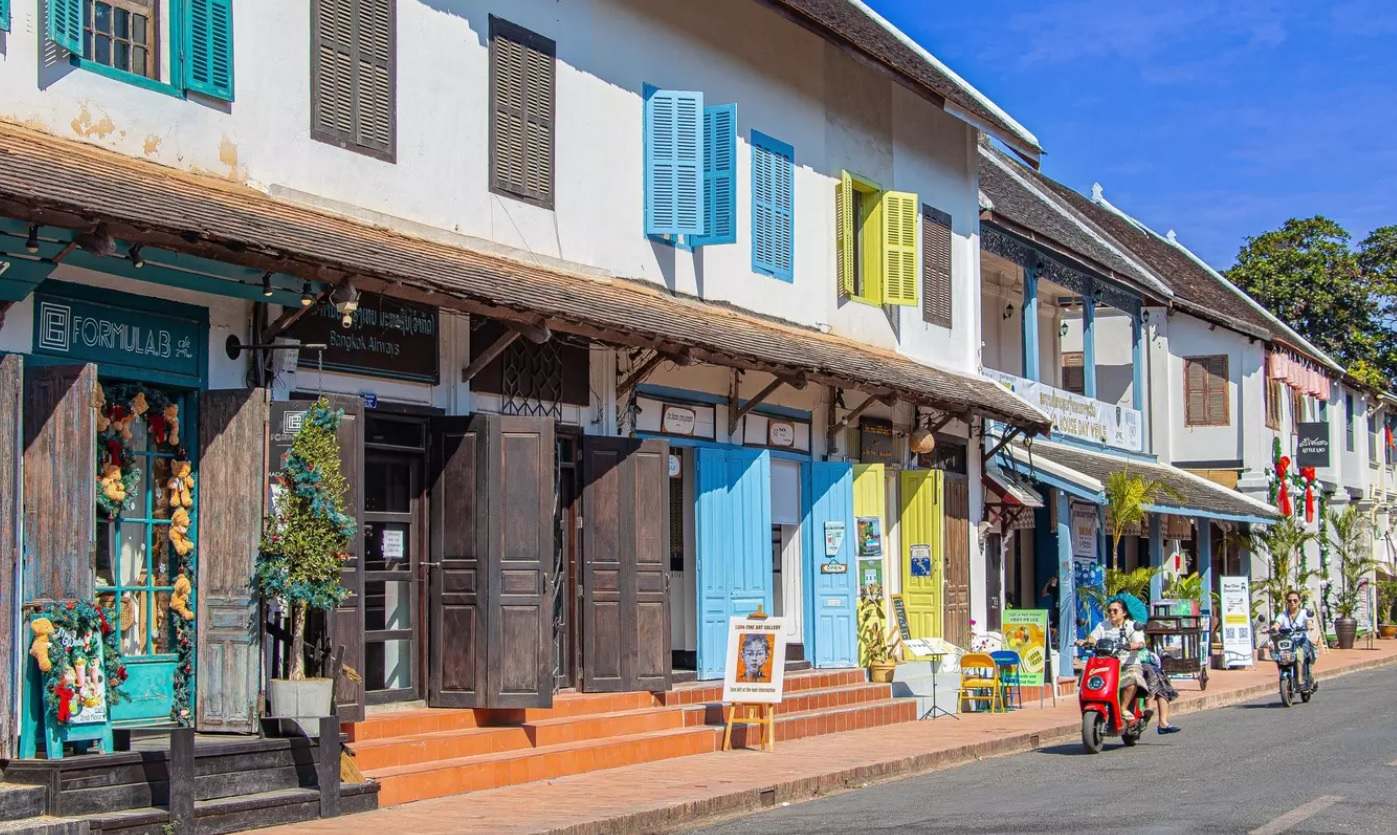
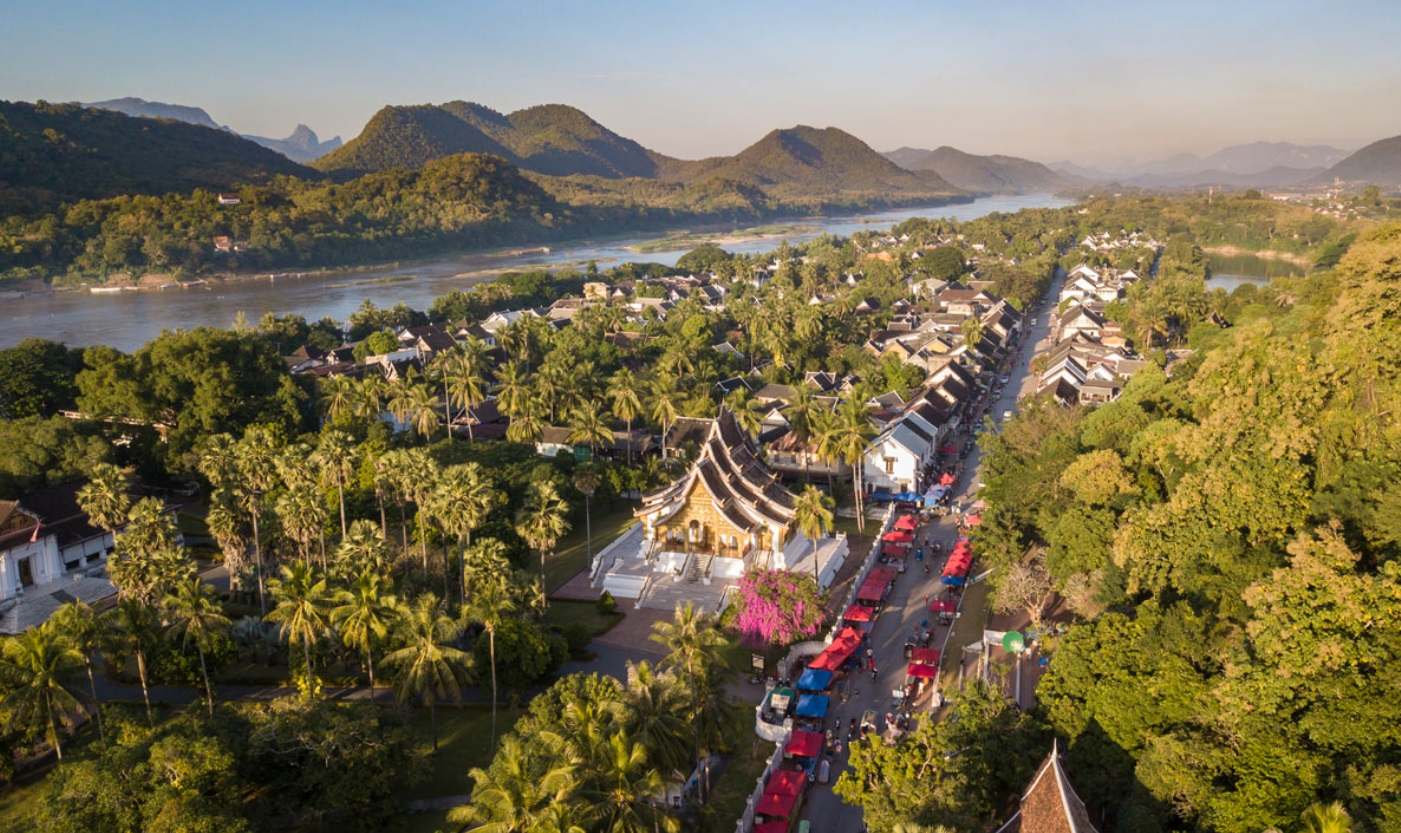
Photo: The Town Area of Luang Prabang – Lonely Planet
As we walk the streets of the old town, the physical history of Luang Prabang reveals itself in a unique architectural blend. Unlike many other historical cities that replaced their traditional structures with modern concrete, Luang Prabang preserved its heritage. We see traditional Lao wooden houses standing comfortably next to brick colonial-era buildings characterized by their shuttered windows and red-tiled roofs. This harmony is the result of strict preservation efforts that have prevented the town from losing its character. It is a place where we can see the 19th-century French influence in the balconies and the 14th-century Lao influence in the sweeping, multi-tiered roofs of the monasteries.
Among the dozens of temples, Wat Xieng Thong remains the most significant example of this enduring craftsmanship. Built in 1560 by King Setthathirat, it survived invasions and the passage of time, remaining a masterpiece of Lao art. We observe the “Tree of Life” mosaic on its rear wall and the intricate gold stenciling that covers its interior. For generations, they the monks and the local craftsmen have maintained these structures, ensuring that the religious and royal traditions of the past remain visible to the modern eye. Wat Xieng Thong was once the site of royal coronations and remains a focal point for the city’s most important festivals.
This historical continuity is perhaps most visible in the daily ritual of Tak Bat, or almsgiving. Every morning, as the sun begins to rise, hundreds of monks emerge from the various temples to walk through the streets in silent procession. They wear saffron robes that have remained unchanged in style for centuries. Local residents wait on the sidewalks to place offerings of sticky rice and food into the monk’s bowls. We see this not as a performance for outsiders but as a fundamental link between the laypeople and the monastic community. It is a spiritual practice that has occurred every single day for hundreds of years connecting the modern residents directly with their ancestors. By participating in or observing this ritual, we witness a living history that refuses to become a relic.
The quiet of the streets during the day allows us to appreciate the harmony of the town’s development. The absence of high-rise buildings and heavy traffic means that the sound of temple drums and the scent of incense still dominate the atmosphere. We find that the preservation of these streets is not just about the buildings it is about protecting a way of life that values reflection and community. In the shaded courtyards of heritage buildings we see how the town has adapted to the present with many historic homes now serving as small cafés or boutiques, yet always maintaining the structural integrity that UNESCO recognized decades ago.
The Lifeline of the Mekong and Living Traditions
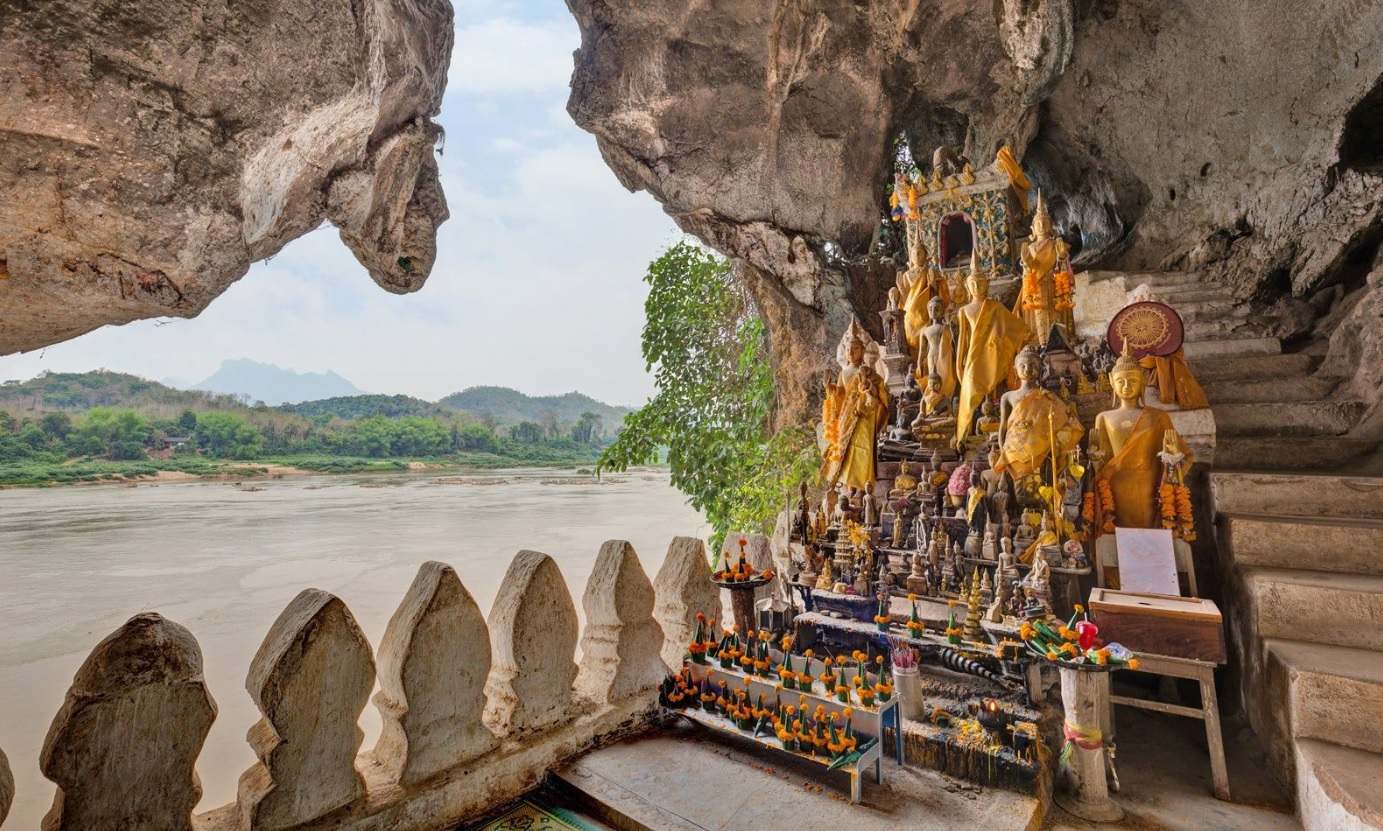
Photo: Pak Ou Caves – Hotels.com
The story of Luang Prabang is also the story of the Mekong River. For centuries, the river has been the lifeline that connected the town to the rest of Southeast Asia. Before the advent of modern roads, the Mekong was the primary highway for trade, travel, and cultural exchange. They the merchants, explorers, and pilgrims arrived by boat, bringing goods from China, Thailand, and Cambodia. We recognize that the river’s presence is what allowed Luang Prabang to flourish as a crossroads of civilizations. It provided the resources necessary for the kingdom to grow and the isolation needed to protect its unique culture.
Following the river north, we find the Pak Ou Caves, a site that perfectly illustrates the intersection of nature and history. Thousands of Buddha statues, left by pilgrims over hundreds of years, fill the limestone caves overlooking the water. This site reminds us that the journey through time in Luang Prabang extends beyond the city limits. Along the banks of the Mekong, we also encounter villages like Ban Phanom, where they continue to practice traditional silk and cotton weaving. These artisan traditions have been passed down through families for generations, and the patterns they produce today are often the same ones that adorned the royalty of the Lan Xang era.
In the center of town, the evening brings another layer of living heritage to the forefront. The night market, which stretches along the main street, is a modern manifestation of ancient trade skills. While it caters to the visitors who come to see the town, the products sold hand-woven textiles, Hmong embroidery, and local silverwork represent the skills of the surrounding rural communities. We see how Luang Prabang manages the challenge of tourism by grounding it in local craft. The market is a place where the economic needs of the present meet the artistic traditions of the past.
This balance between a historic destination and a living community is what makes Luang Prabang unique. It is not a theme park it is a functioning town where people still live in ancestral homes and worship in ancient temples. We find that the town’s success lies in its ability to value its identity as much as its economy. The preservation of the Mekong’s banks and the protection of local crafts ensure that as the town moves forward, it does not leave its history behind.
The Enduring Spirit of a Living City
Exploring Luang Prabang allows us to experience history as a continuous thread rather than a series of disconnected events. The temples, the rivers, the colonial facades, and the morning rituals come together to create a journey that feels both ancient and immediate. We see that the city’s true value is not found in a single monument, but in the collective memory of its streets. By spending time here, we gain a deeper understanding of Laos and the enduring heritage of Southeast Asia a region where the past does not just haunt the present, but actively guides it. Luang Prabang stands as a reminder that even in a rapidly changing world, there are places where the soul of a culture can remain intact, preserved by the rivers that flow past it and the people who call it home.
Check out our other articles about Luxury Travel for more interesting reads.
–
Featured Image by Asia Travel and Leisure