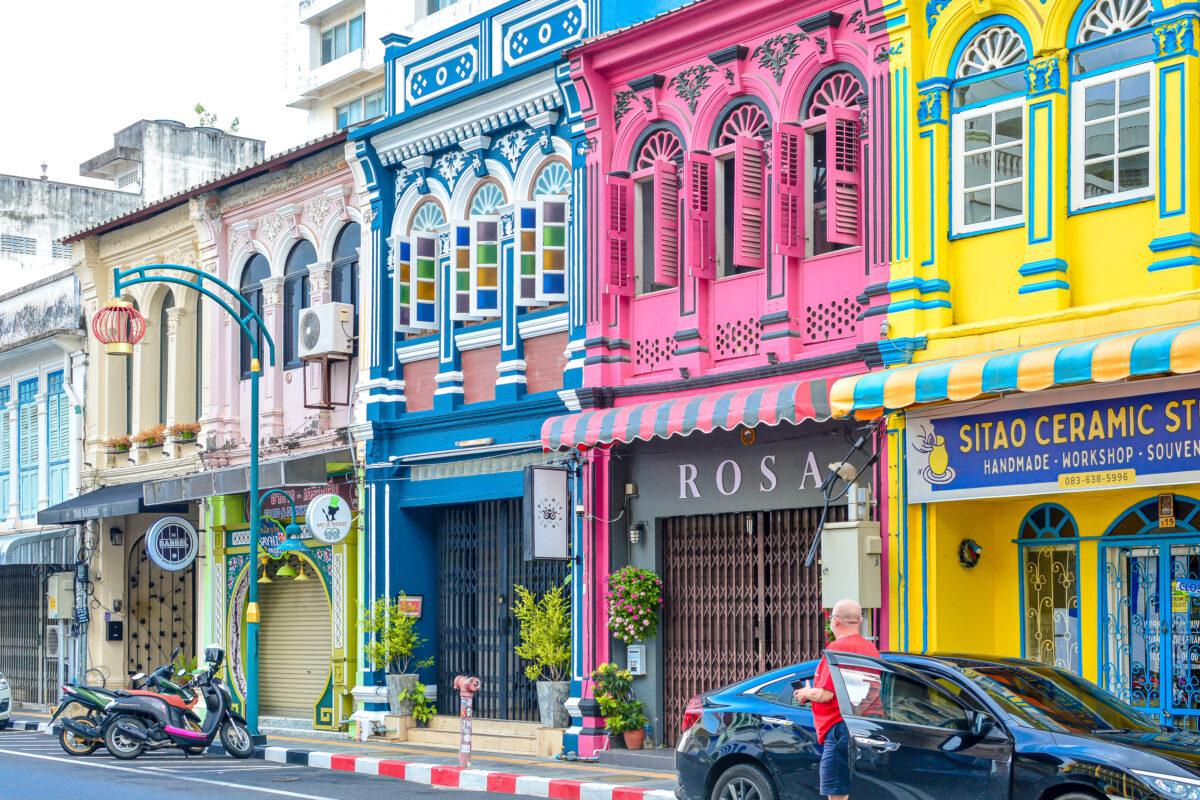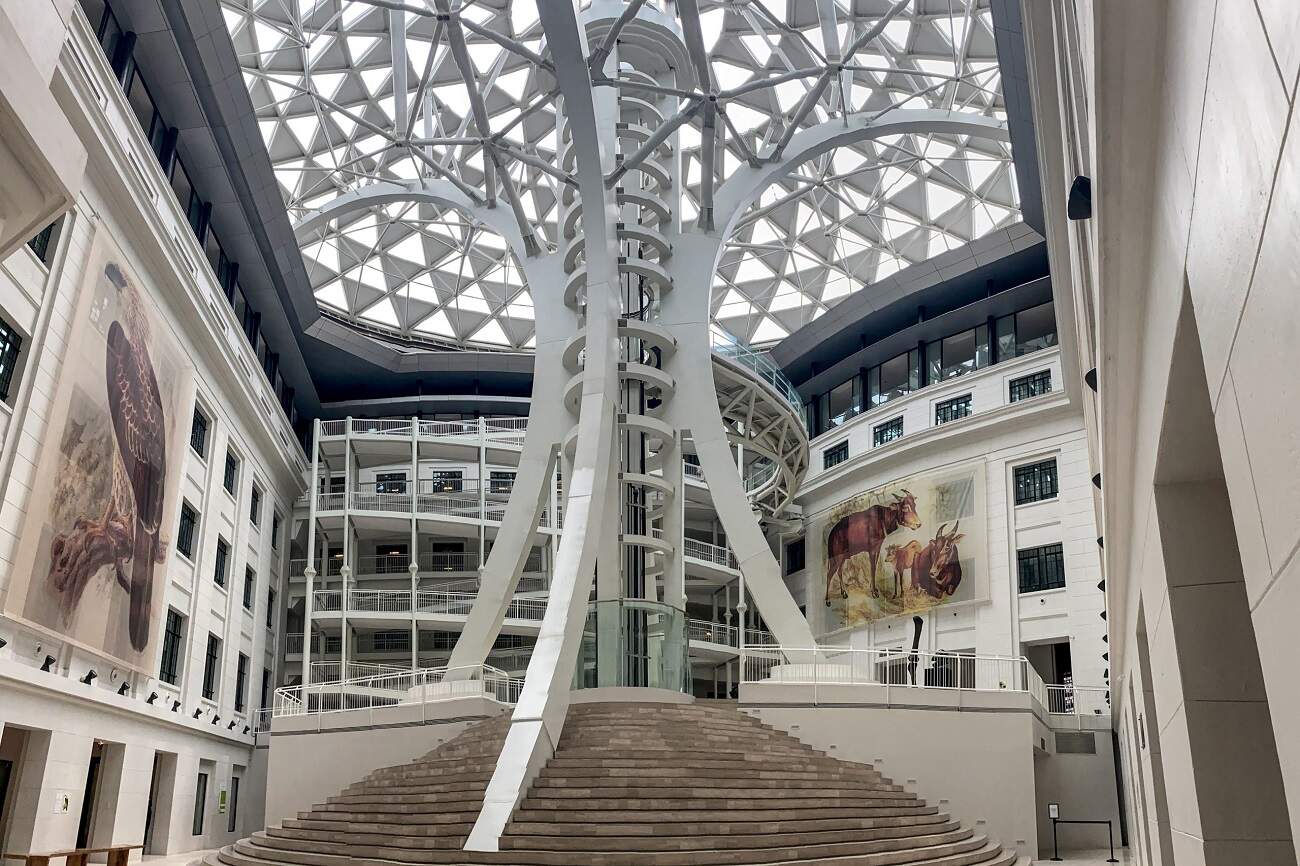


Bali has long been more than just a tropical destination; it is a global sanctuary for the artistic soul. For decades, the island’s reputation as a hub for creativity and one of premier luxury retreats in Asia has been anchored by its ability to weave spiritual devotion into everyday craftsmanship. In traditional enclaves like Ubud, the rhythmic clink of woodcarvers’ chisels and the vibrant brushstrokes of painters have defined the cultural landscape, drawing a steady stream of “art pilgrims” from across the world.
However, as the 21st century progresses, Bali’s creative identity is undergoing a profound metamorphosis. While the heritage and charm of Ubud remains a vital foundation, a new era of artistic expression is emerging—one where ancestral wisdom meets cutting-edge technology. This evolution is driven by the rise of sophisticated creative enclaves and facilities designed not just to preserve history, but to pioneer the future of global design and community-led innovation.
The momentum behind this shift is reflected in the island’s economic health and shifting priorities. According to data from Statistics Indonesia (BPS), the creative economy has become a powerhouse for the nation, employing approximately 27.4 million workers in 2025, representing about 18.7 percent of the total national labor force.
In Bali specifically, the synergy between tourism and creativity is palpable; the sector’s GDP growth reached 6.57 percent in 2024, significantly outpacing the national economic growth of 5.03 percent. This fertile ground has allowed for the birth of ambitious projects that redefine what it means to be a “creative community” in the modern age.
Nuanu Creative City A Vision of Sustainable Innovation
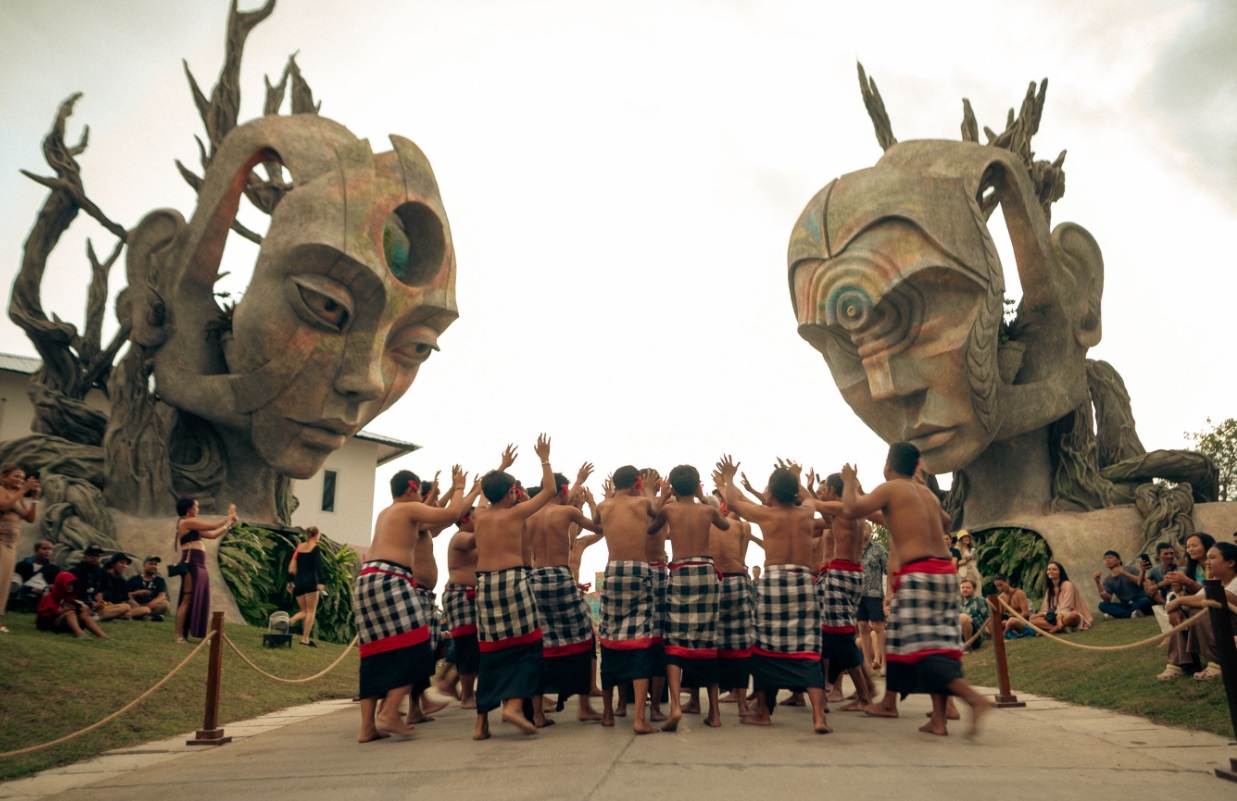
Nestled along the rugged coastline of Nyanyi Beach in Tabanan, Nuanu Creative City stands as a testament to Bali’s futuristic ambitions. Spanning 44 hectares, this sprawling enclave is far more than a typical resort; it is a fully interactive community designed as a living laboratory for the future. Nuanu integrates luxury escapes and wellness resort with an international school with specialized zones that encourage collaboration among artists, architects, and technologists.
The philosophy here is a “harmonious co-existence,” where the architecture is intentionally eco-friendly, maintaining 70 percent of the land as green space to ensure nature remains the primary collaborator.
The artistic heart of Nuanu is perhaps best represented by its landmark installations and immersive environments. The Earth Sentinels, a series of monumental sculptures by Daniel Popper, greet visitors with an ethereal presence, symbolizing the protection of the natural world. Nearby, the THK (Tri Hita Karana) installations translate the ancient Balinese philosophy of harmony between humans, nature, and the divine into modern physical forms. As the sun sets, the city transforms through the Aurora Media Park, where light shows and interactive digital art turn the forest into a glowing, sci-fi landscape. For those seeking deeper introspection, the Labyrinth Dome offers an immersive multi-sensory experience that merges sound and visual projections to challenge the boundaries of perception.
Even the resort’s amenities are designed with this creative spirit in mind. The Luna Beach Club, for instance, features a bamboo-and-glass aesthetic that reflects the surrounding black sand dunes, while the onsite Wellness Center uses regenerative design principles to promote healing.
Every facility, from the riverside cafés to the craft workshops, is interconnected by a sense of purpose—proving that a community can be both technologically advanced and deeply rooted in the soil.
SAKA Museum Honoring the Past to Inform the Future
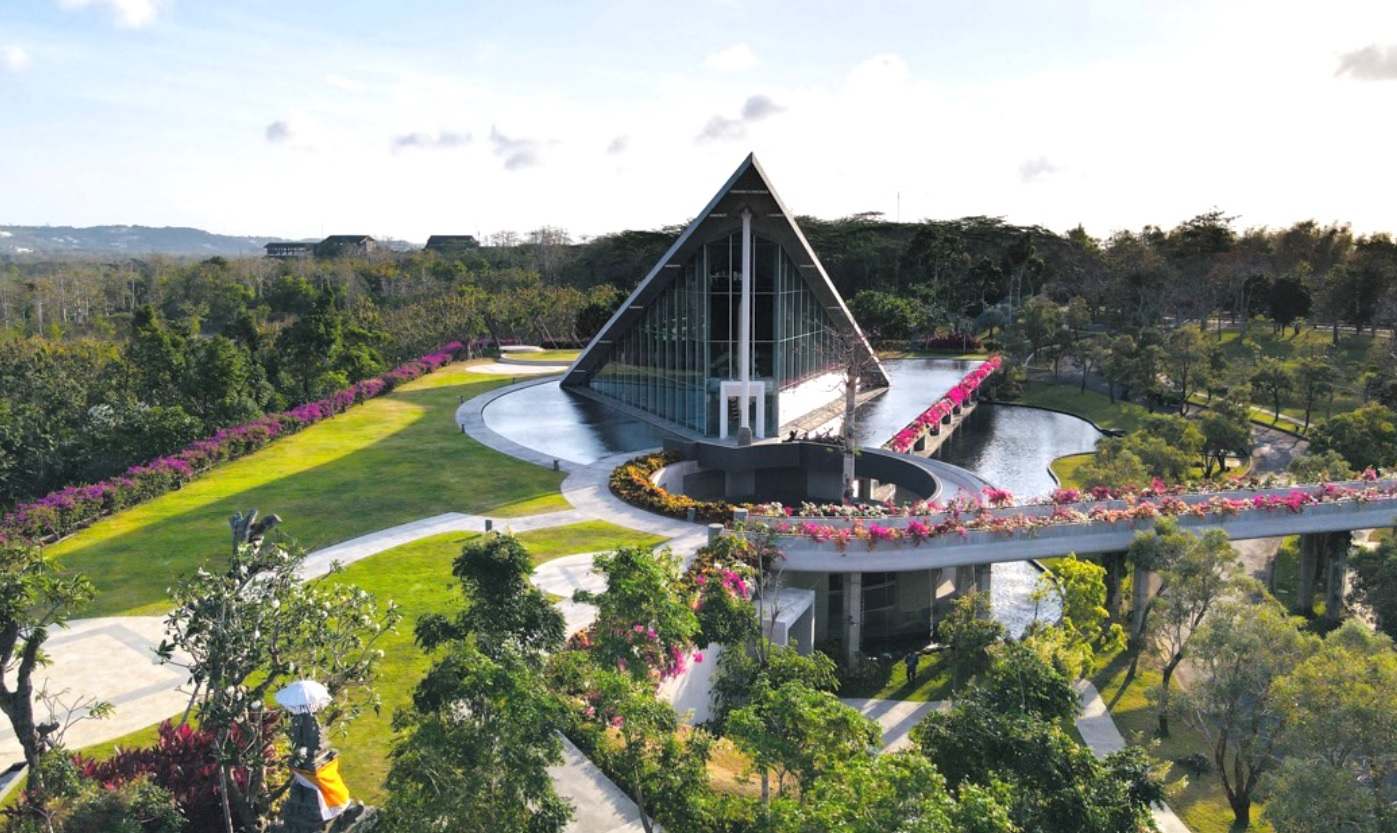
While Nuanu looks toward the horizon, the SAKA Museum at the AYANA Bali Resort, one of the best luxury hotels and resorts in Bali looks inward to the soul of the island. Recently recognized by TIME Magazine as one of the World’s Greatest Places 2024, the SAKA Museum serves as a sophisticated bridge between the Balinese Saka calendar and contemporary artistic expression. The museum is not a static warehouse of artifacts; it is a vibrant tribute to the island’s spiritual life, particularly the celebration of Nyepi, the Balinese Day of Silence.
The crowning glory of SAKA is its collection of gigantic ogoh-ogoh statues. These intricate, often fearsome effigies are traditionally paraded on the eve of Nyepi to banish negative spirits. In the museum, they are elevated to the status of high art, allowing visitors to appreciate the incredible craftsmanship and mythological storytelling that goes into their creation.
The building itself, designed by the award-winning Napp Studio & Architects, is a masterpiece of environmental design. Its roof is positioned to track the sun’s path, while the interior features a “constellation ceiling” that mimics the Bali night sky during the silent 24 hours of Nyepi.
The museum’s integration into the wider AYANA Bali estate further enhances its impact. The resort’s design—featuring 14 swimming pools, a secluded beach, and 27 dining venues—is meticulously curated to reflect Balinese heritage.
For example, the Kampoeng Bali dining experience and the AYANA Farm act as functional extensions of the museum’s educational mission, teaching guests about traditional agriculture and the UNESCO-recognized Subak water management system. By placing the museum at the very entrance of the estate, the resort signals that culture is the most important luxury it offers.
The Arrival of the Future
The arrival of the future in Bali is no longer a distant vision; it has firmly taken root along the island’s shores through these innovative, multidisciplinary enclaves. The landscape of creativity is shifting away from the solitary production of traditional goods toward the cultivation of immersive experiences and entire cultural ecosystems. This transformation redefines the role of the creator, where the modern “artist” may now be a digital storyteller, an eco-architect, or a community builder. This evolution is vital for the island’s long-term sustainability, ensuring that its global appeal remains dynamic and multifaceted. Ultimately, these new communities demonstrate that Bali’s most enduring strength is not merely its physical beauty, but its remarkable capacity to adapt to the modern age while preserving its spiritual essence.
By weaving ancestral philosophies like the Saka calendar and Tri Hita Karana into the fabric of the future—utilizing everything from interactive light domes to sustainable urban design—Bali is reinforcing its position as a global pioneer in the creative economy. These futuristic enclaves in Tabanan and Jimbaran are more than just attractions; they serve as living blueprints for a world where nature, culture, and technology finally exist in perfect harmony.
–
Featured Image by Art Hub