The humble vinyl record has achieved a remarkable comeback, surging past digital music and other physical media like CDs. Its enduring appeal lies in a complete sensory experience: the iconic album art, the satisfying ritual of dropping the needle, and the unique, warm analog sound that digital formats often miss. This resurgence is a full-blown cultural movement spanning all genres.
The market data confirms vinyl’s strength: the U.S. music industry sold 43.6 million vinyl records in 2024, its 18th consecutive year of growth. According to Taylor Corporation, this growth is fueled even by Generation Z, drawn to the aesthetic and the chance to directly support artists. The global market, valued at $2.0649 billion in 2024, is projected to reach $5.4262 billion by 2031 (Precision Business Insights).
Within this growing community, high-end collectors distinguish themselves by prioritizing quality over quantity. They seek the optimal listening experience, focusing on superior audio fidelity, mint-condition pressings, and museum-quality equipment. For these serious enthusiasts, collecting is a significant investment in technology, maintenance, and the rare, perfect record. This guide is dedicated to those who aspire to build a vinyl collection of the highest caliber, honoring both the art and the technology of music.
Starting a High-End Vinyl Collection: A Curated Approach

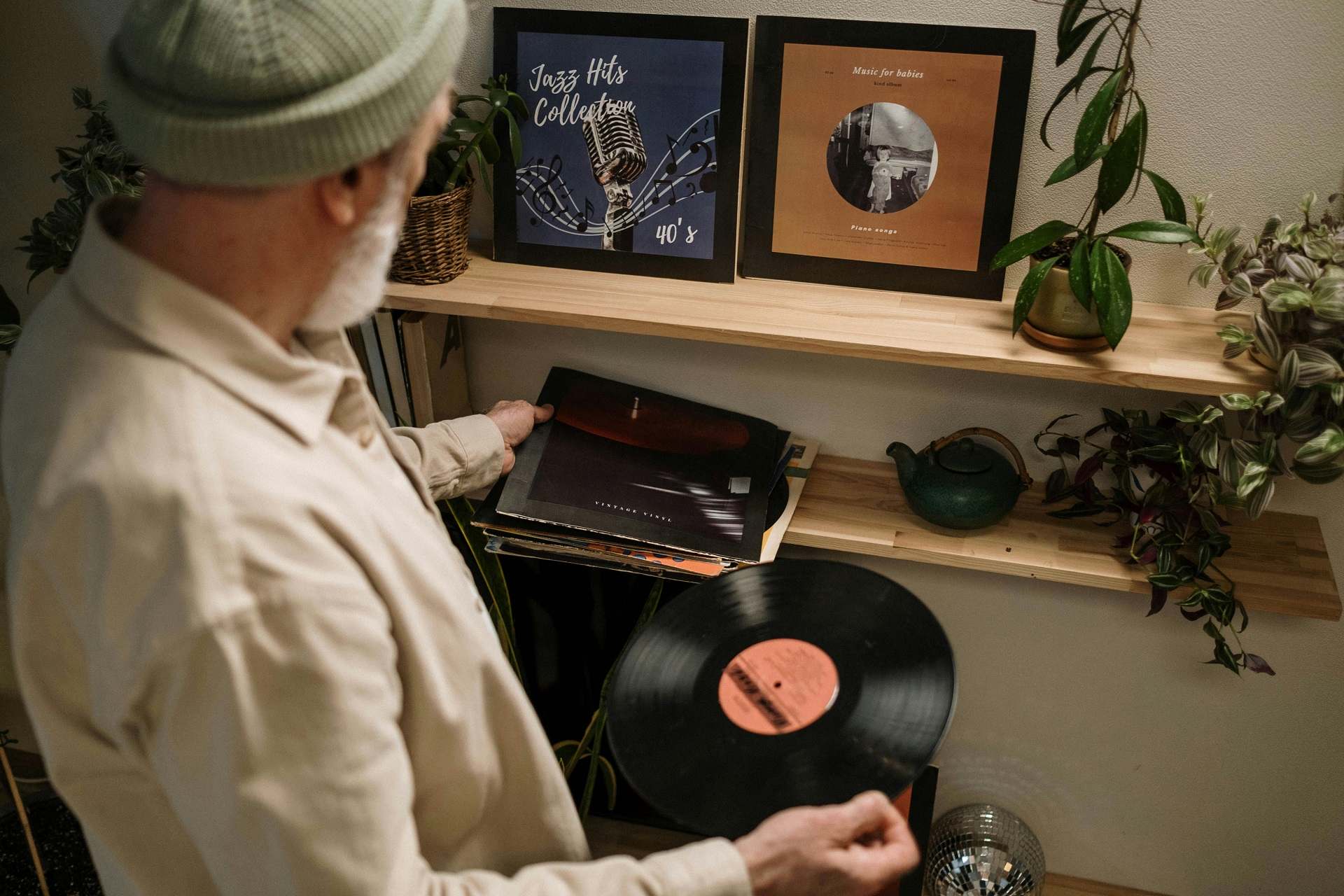
Photo: Starting Out a High-End Vinyl Record Collection
Building a high-end vinyl collection necessitates a strategic, patient, and quality-focused approach, aiming to create an integrated system where the equipment, the records, and the collector’s knowledge work in harmony to deliver an unparalleled listening experience.
The single most crucial investment is the turntable, which high-end collectors view not merely as a playback device but as a precision instrument essential for maximizing sound quality and protecting precious vinyl by accurately translating microscopic grooves into sound.
While basic, entry-level turntables start around $100, a truly high-quality, durable model begins in the mid-to-high hundreds and often ascends into the thousands, with audiophile-grade options like the Pro-Ject Debut Evo 2 and Technics SL-1500C starting around $799.00 and $1,499.99 respectively, according to retailer data, reflecting the necessary commitment to superior equipment.
These turntables feature: Precision-engineered tonearms to ensure accurate tracking and minimal groove wear; low-resonance plinths and platters to reduce unwanted vibrations; high-quality cartridges and styli (needles) that extract the maximum musical detail from the groove without causing damage.
Remember that the turntable is just one component of a serious hi-fi setup. High-end collecting necessitates investing in matching components—a quality preamplifier (phono stage), a robust amplifier, and audiophile-grade speakers. These components must be carefully matched to avoid creating a “bottleneck” where one weak link compromises the entire listening experience.
Prioritize Personal Musical Taste
It’s a common rookie mistake to focus solely on records with the highest resale value. While the world’s most expensive vinyl records are often ultra-rare recordings from Western jazz and rock musicians.
Building a high-end collection means focusing on first-pressings, audiophile reissues, or limited-edition pressings of your favorite albums, prioritizing quality over mere rarity. These are often pressed on heavier, 180g or 200g vinyl and mastered from original analog tapes, resulting in superior sound reproduction.
Choose a Reputable Record Store
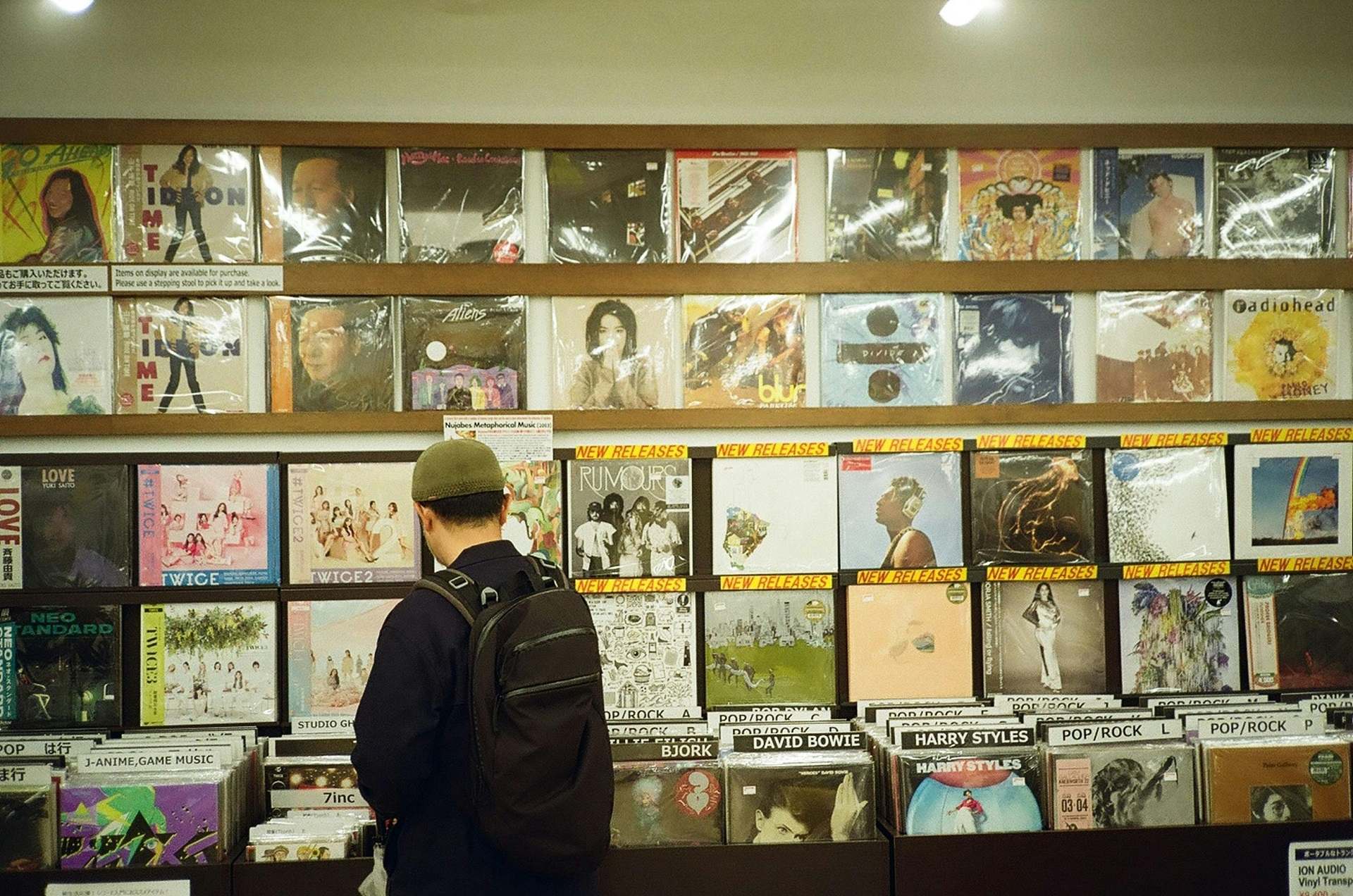
Photo: Buying a Vinyl Record from a Reputable Store
While the thrill of finding a hidden gem in a flea market bin is undeniable, the high-end collector often relies on reputable, dedicated independent record stores. These establishments offer more than just inventory; they provide an experience rooted in expertise.
According to Luminate data, independent record stores accounted for 40% of all vinyl album sales in the US since June 2024, demonstrating their central role in the vinyl market. A good record store:
- Is staffed with experts who can offer genuine, informed recommendations.
- Allows for in-person inspection, letting you physically examine a record’s condition before purchase—crucial for high-end collecting.
- Often stocks audiophile-grade new releases and verified, meticulously graded used records.
The process of feeling, seeing, and hearing a record in person is an essential part of the high-end collecting ritual. Establishing a relationship with a respected store and its knowledgeable staff can lead to access to rare imports and sought-after first-pressings that never make it to the discount bins.
Preservation and Community: The High-End Mindset
The commitment to a high-end collection extends far beyond the initial purchase of equipment and records. It requires diligence in maintenance and a willingness to engage with the broader audiophile community.
Invest Heavily in Maintenance
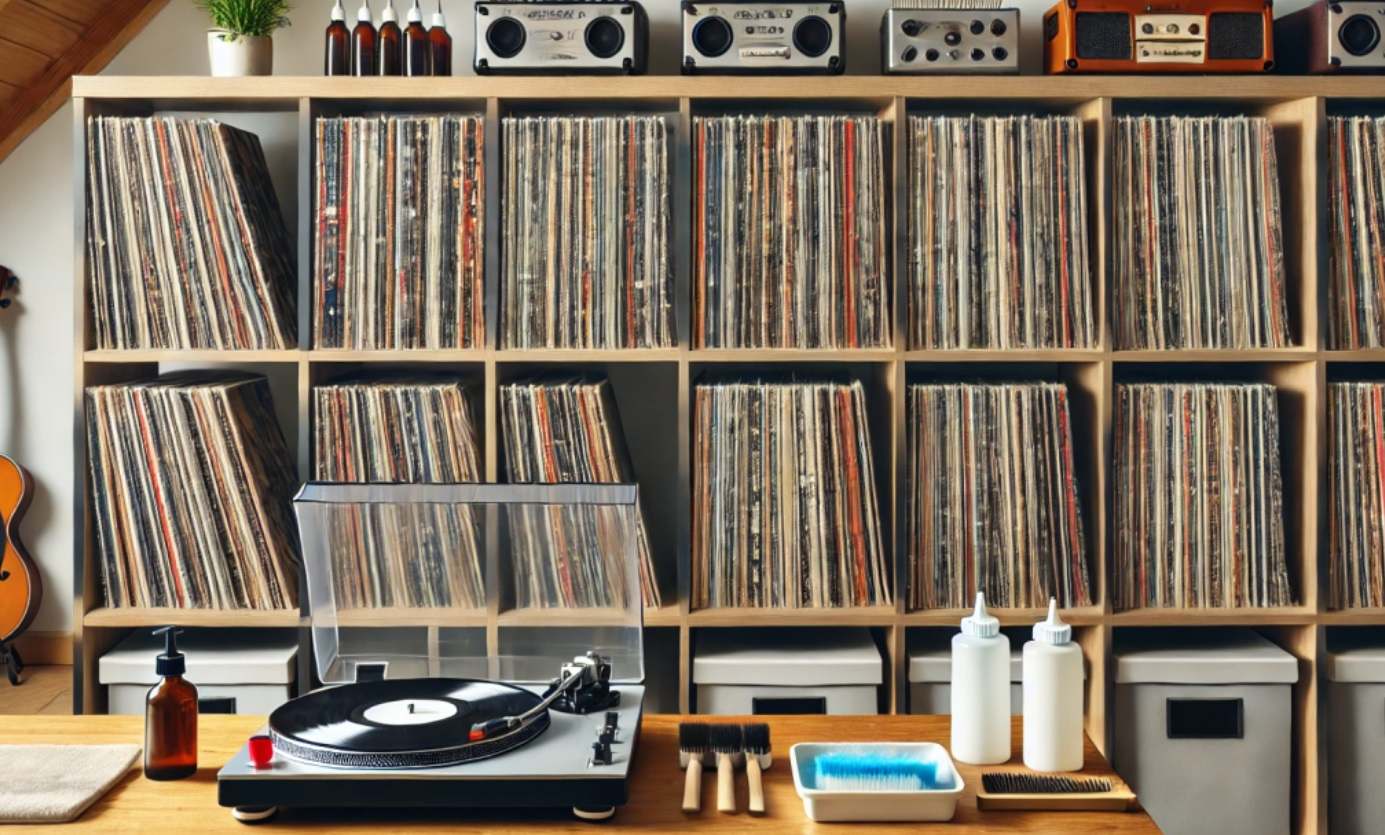
Photo: Collecting Vinyls Also Require Proper Maintenance – Media Mojo
The single greatest threat to a vinyl record’s integrity is improper care. Extended, careless play can wear down both the record’s grooves and the delicate stylus. For the high-end collector, maintenance is a continuous investment.
Cleaning Tools: Invest in professional-grade record cleaning machines (wet-vacuum systems are highly recommended) and high-quality cleaning fluids. This ensures that micro-dust and static are removed before each play, preventing permanent damage to the grooves.
Storage: Proper storage is non-negotiable. Records should be housed in archival-quality inner sleeves (e.g., poly-lined paper) and stored upright in a cool, dry, and dark environment to prevent warping and degradation.
Calibration: Even the finest turntable needs expert care. Professional calibration of the cartridge, tonearm, and anti-skate settings by an audio technician is paramount. A properly calibrated system ensures the stylus tracks the groove perfectly, preserving the vinyl and delivering optimal sound quality.
Network with Other Collectors
Knowledge is power in the world of high-end collecting. Meeting with other enthusiasts, whether through local audio clubs or online communities, provides invaluable information on finding, playing, and keeping vinyl records.
A high-end collection is often guided by a continuous process of learning. New collectors will benefit immensely from seeking out a “mentor”—an experienced collector who can guide them through the nuances of pressing variations, grading standards, equipment tuning, and reputable sellers. The camaraderie built through these networks can also lead to trading, access to private sales, and, most importantly, a shared passion for the music.
A Serious Pursuit
Collecting vintage vinyl records is far more than a casual pastime; it is a serious hobby that deserves to be approached with reverence for both the music and the technology. For the high-end collector, it represents a conscious choice to prioritize a physical, analog experience over the convenience of digital streaming.
The warmth of the sound, the ritual of the playback, and the connection to the art created through a meticulously curated, expertly maintained collection transforms passive listening into an active, immersive experience. The resurgence of vinyl, particularly among younger generations who have grown up in a digital world, underscores a profound appreciation for tangible, lasting quality.
By investing in high-quality equipment, prioritizing musical passion, and committing to proper maintenance, the collector builds not just a collection of albums, but an archive of art, technology, and personal history. It is a pursuit where dedication pays off in a sound quality that can enrich one’s life for decades to come.
Read more of our Entertainment articles for more interesting topics